
When a cold front hits North Texas, an aging window can suddenly make a room feel uncomfortable. Replacing drafty windows before winter can reduce unwanted air movement, support steadier indoor temperatures, and give us time to plan installation properly. As we compare windows in Plano, TX homeowners choose for year-round comfort, we look at more than appearance. Persistent drafts, stiff sashes, and rooms that lose warmth quickly are practical reasons to assess an opening.
Not every chilly spot automatically calls for a new unit. Some air movement comes from surrounding construction, while worn weather seals and aging frames can point to a window that no longer performs as intended. At Foster Exteriors Window Company, we help families understand what they are experiencing. That conversation is easier when there is time to make informed decisions, rather than rushing after the first extended cold spell.
What Persistent Drafts Are Telling Us
A draft is moving air, not simply the feeling of sitting near a cool surface. Cold glass can make a person feel uncomfortable even when the frame is sealed properly. Air slipping through gaps around a sash or between the frame and surrounding wall is a different concern. We examine where the sensation begins because the right response depends on its source.
Changes in window operation can offer equally useful clues. An older sash may sit unevenly, its weather stripping may no longer meet consistently, or the frame may show signs of movement. Patterns across different weather conditions deserve closer attention.
When Does Replacement Make Sense?
We look for several signs that an aging window may no longer deliver the comfort or function a household needs:
- Recurring air movement: A noticeable breeze near a fully closed window, especially when the wind picks up.
- Difficult operation: Sashes that stick, shift unevenly, or no longer close snugly.
- Visible deterioration: Cracked seals, damaged frames, or moisture marks around the opening.
- Uneven room comfort: Persistent cold spots near windows that coincide with other signs of poor performance.
These clues do not automatically prove that every window needs replacing. We assess the complete opening and explain when a new installation is a sensible long-term solution.
Why Planning Before Winter Helps
The greatest advantage of acting early is having room to make careful choices. Window selection involves measurements, operating styles, glass packages, and coordination with the household. When we address these details before colder weather becomes a daily frustration, the process can feel more predictable.
It also gives us a chance to consider rooms separately. A draft near the dining table may be a priority because that space gets daily use, while another opening may have concerns related to natural light or ventilation. We can look at the complete home and decide which needs deserve attention first.
Cold weather does not make installation impossible. It does make household comfort during the work more noticeable, particularly when an opening is temporarily exposed. Advance planning helps us discuss access, preparation, and a practical installation sequence. Product availability and scheduling vary, so we avoid promising a specific completion date without reviewing the project.
How Better Windows Support Comfort
New window technology can address more than the breeze felt beside a chair. Insulated glass, quality weather stripping, and carefully designed frames work together to limit heat transfer and air movement. With the right selection, rooms may feel more consistent during both cold spells and long Texas summers.
Which Performance Features Matter?
We help homeowners make sense of two useful measurements. U-factor describes how readily heat passes through a window; lower values indicate better insulation. Solar heat gain coefficient, or SHGC, describes how much solar heat comes through; lower values can be helpful when strong sunshine warms a room. Neither rating tells the whole story, but together they help us compare options for North Texas conditions.
For instance, Alside Mezzo vinyl window designs and insulating features include dual-pane insulated glass, Low-E technology, and weather stripping intended to support comfortable interiors. We still match the product to the opening, the room, and the homeowner’s preferences instead of assuming a particular series suits every house.
We also explain how efficient replacement windows support everyday indoor comfort as part of the bigger picture. Indoor temperatures depend on insulation, air leakage elsewhere in the home, sunlight, and heating equipment. Well-chosen windows can contribute to better comfort, but no single product controls every factor.
Installation Makes the Difference
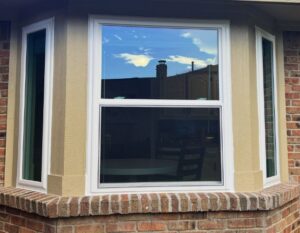 A high-performing window only helps as intended when it fits the opening. We measure each location carefully, then check that the new frame is level, square, and properly supported. Small alignment issues can make the sash harder to operate or prevent its seals from meeting consistently. That is why installation quality belongs in the conversation from the beginning, not just on the day work starts.
The perimeter deserves equal attention. We use appropriate insulation and sealing methods where the window meets the wall while keeping designed drainage paths clear. A tidy-looking finish is important, but the details behind the trim matter more to long-term function.
Before completing the work, we check operation, locking, and the finished edges. We also explain how the window opens and closes so the household knows what normal operation should feel like. Good installation helps the selected product perform as designed.
A Practical Plan Before Cold Weather
We find that a simple, orderly process makes window decisions less stressful. Rather than focusing on the calendar alone, we recommend moving through three stages:
- Identify the main concerns. We discuss which rooms feel drafty, whether the problem is constant or weather-related, and whether windows still open and close properly. This helps establish where a closer assessment is needed.
- Compare suitable window options. We review measurements, preferred styles, and performance features that address the home’s needs through winter and summer. We explain the trade-offs in straightforward language.
- Prepare for a careful installation. We confirm access, discuss how rooms will be protected, and explain the expected work sequence. Once the windows are in place, we inspect their operation and review the finished result together.
A little advance planning means fewer decisions have to be made while the household is already uncomfortable. It also keeps the focus on fit, performance, and workmanship rather than seasonal pressure.
When a familiar room feels colder every winter, the problem deserves more than another season of frustration. We begin by identifying whether a draft comes from the window itself and then recommend solutions that suit the home’s layout, sunlight, and daily routines. For homeowners considering windows in Plano, TX, the time before colder weather is an opportunity to choose thoughtfully and arrange precise installation. At Foster Exteriors Window Company, we bring our history of careful workmanship and personal service to each consultation, with clear explanations rather than rushed decisions. Schedule your consultation now at (214) 319-8400, and we will help you plan for a home that feels more comfortable when temperatures change.